Health Foods That Actually Make Sense in Real Life

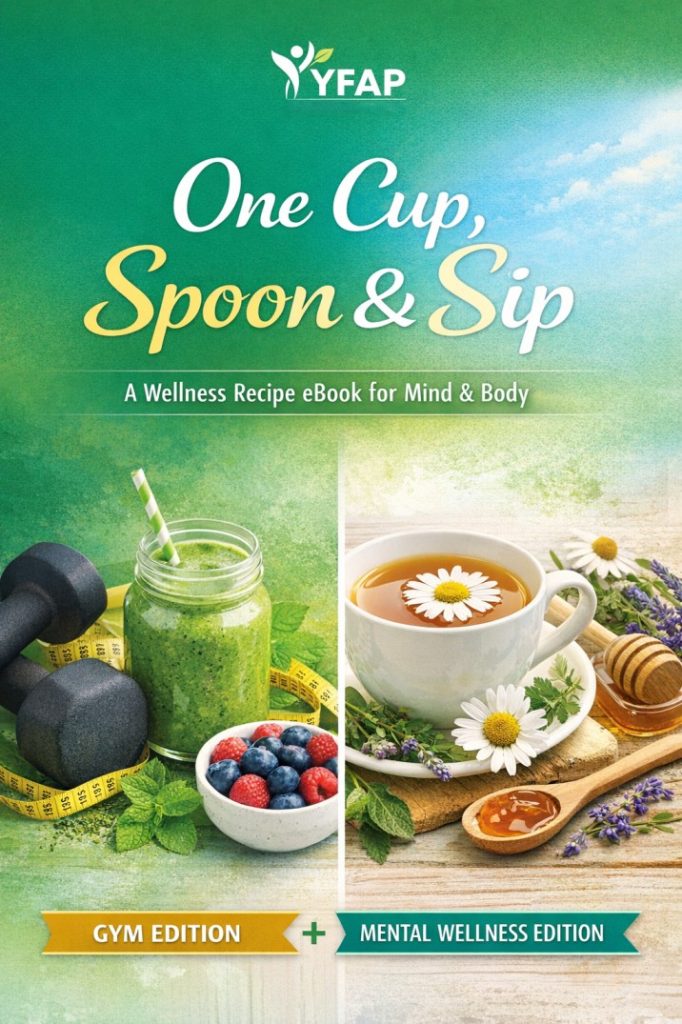
Health is often discussed as something physical — weight, immunity, digestion and energy levels. But the body and mind are not separate systems. What we consume daily doesn’t only affect how we move through the world physically, but also how we think, cope, rest, and emotionally regulate. We have no way of building a healthier body One Cup, Spoon & Sip at a Time. So, let’s talk about Health Foods That Actually Make Sense in Real Life.
Sometimes, mental wellness support doesn’t begin in a doctor’s office. It begins quietly — in a cup of tea, a nourishing smoothie, food or the oils we use to prepare our meals.
This guide explores how everyday teas, smoothies, and oils can support both physical and mental wellbeing, one small habit at a time. Now this is not a health influencer blog. This is not a sales pitch to make you subscribe to my YouTube channel… yet!
But what we are going to do is talk about the different foods, teas, smoothies and oils, their health benefits and of cause, some delicious recipes.
Tea: Immunity, Stress & Emotional Balance

Tea has long been associated with calm, reflection, and restoration — and science increasingly supports its role in stress regulation and emotional wellbeing. Ever felt depressed and grandma said:
“Have some tea?”
Can sleep? Solution = Tea.
Angry or feeling anxious? Solution = Tea.
These were not just folklore or granny remedies. Tea holds one of the most therapeutic properties to help you both mentally and physically.
Physical & Mental Health Benefits
- Moringa tea is nutrient-rich and may support mental stamina and concentration, particularly during periods of stress or exhaustion.
- Rooibos tea contains antioxidants that support the nervous system and may help reduce stress-related inflammation. Being caffeine-free, it promotes calm focus without anxiety or jitters.
- Chamomile tea is widely associated with relaxation and improved sleep quality, both critical for emotional regulation and mental clarity. This will put you to sleep faster than you can count to 10.
- Peppermint tea supports digestion, which is closely linked to mood through the gut–brain connection. Reduced gut discomfort often translates into improved emotional comfort.
- Ginger tea may help reduce fatigue and brain fog while offering grounding warmth that supports mental alertness.
Simple Usage
- Drink teas intentionally, not just habitually.
- Use calming teas in the evening to support rest and emotional decompression.
- Energising teas are best consumed earlier in the day to avoid overstimulation.
Mental Health Note
The act of preparing and drinking tea can itself be therapeutic — slowing the nervous system, encouraging mindfulness, and offering a moment of pause in a fast-paced day.
Caution
Herbal teas should be used in moderation. Certain herbs may interact with medication or be unsuitable during pregnancy. Always listen to your body, and your doctor.
Secret Recipes
Calming Evening Tea (For Stress & Better Sleep)
Supports:
Relaxation, emotional regulation, rest
Ingredients:
1 chamomile tea bag
A few fresh mint leaves (optional)
Honey (optional)
How to prepare:
Steep in hot water for 5–7 minutes. Drink slowly before bed.
Mental health note:
Creates a nightly wind-down ritual that signals safety and rest to the nervous system.
Ginger & Rooibos Immunity Tea
Supports:
Immunity, digestion, mental clarity
Ingredients:
1 rooibos tea bag
Fresh ginger slices
Lemon slice (optional)
How to prepare:
Steep rooibos and ginger in boiling water for 8–10 minutes.
Mental health note:
Warm, grounding flavours help reduce mental fatigue and brain fog.
Smoothies: Energy, Mood & Cognitive Support

Smoothies are often marketed purely for physical energy, but balanced nutrition plays a direct role in mood stability, concentration, and emotional resilience.
Physical & Mental Health Benefits
- Stable blood sugar from balanced smoothies can help reduce irritability, anxiety, and energy crashes.
- Healthy fats and proteins support brain function and neurotransmitter production.
- Fibre-rich smoothies support gut health, which has a direct impact on mental wellbeing through the gut–brain axis.
- Adequate nutrition supports mental endurance, particularly for people under chronic stress.
Simple Usage
A mentally supportive smoothie should include:
- A protein or fat source (peanut butter, yoghurt, seeds)
- Natural carbohydrates (fruit, oats)
- Micronutrients (greens, seeds)
Examples:
- Mood-support smoothie: banana, yoghurt, peanut butter, honey
- Focus-support smoothie: berries, oats, milk, chia seeds
Mental Health Note
Smoothies should nourish, not punish. When used as fuel rather than restriction, they support emotional balance and reduce food-related stress.
Caution
Over-reliance on smoothies or excessive sugar can worsen energy fluctuations, which may negatively affect mood and concentration.
Secret Recipes
Mood-Support Banana & Peanut Butter Smoothie
Supports: emotional balance, sustained energy
Ingredients:
1 ripe banana
1 tablespoon peanut butte
½ cup yoghurt or milk
1 teaspoon honey (optional)
Method:
Blend until smooth.
Mental health note:
Supports serotonin production and reduces irritability caused by low blood sugar.
Focus & Brain-Boost Smoothie
Supports: concentration, mental stamina
Ingredients:
½ cup berries
2 tablespoons oats
1 cup milk or plant milk
1 teaspoon chia seeds
Method:
Blend well and drink mid-morning.
Mental health note:
Slow-release energy helps maintain focus without crashes.
Oils: Brain Health, Mood & Nervous System Support

Fats are essential for brain health. The right oils support hormone balance, nervous system function, and emotional stability.
Physical & Mental Health Benefits
- Olive oil supports brain health and cognitive function due to its anti-inflammatory properties.
- Coconut oil provides a quick energy source that may support mental clarity.
- Avocado oil contains healthy fats that support neurotransmitter activity and sustained focus.
- Castor oil, traditionally used externally, is often associated with relaxation rituals and body care that reduce physical tension and stress.
Simple Usage
- Use quality oils in moderation for cooking and raw consumption.
- Apply oils externally as part of self-care routines — massage and skin nourishment can activate the parasympathetic (calming) nervous system.
Mental Health Note
Regular nourishment with healthy fats supports emotional regulation, memory, and stress resilience over time.
Caution
Not all oils are suitable for all uses. Internal use of medicinal oils should be approached carefully and with guidance.
Secret Recipes
Simple Olive Oil Veggie Sauté (Brain & Nervous System Support)
Supports:
Brain health, heart health
Ingredients:
Olive oil
Leafy greens (spinach, kale)
Garlic
Mental health note:
Healthy fats + greens support cognitive function and emotional resilience.
Castor or Coconut Oil Self-Care Ritual (Optional Add-On)
Supports:
Relaxation, stress relief
How to use:
Warm a small amount of oil and massage hands, feet, or scalp before bed.
Mental health note:
Touch and self-care activate the calming nervous system.
Foods That Support Mood, Focus & Emotional Balance

Food is more than fuel. What we eat daily plays a quiet but powerful role in how our brains function, how we manage stress, and how emotionally resilient we feel. Many everyday foods support mental wellbeing by nourishing the brain, stabilising blood sugar, and reducing inflammation.
Foods & Their Mental Health Benefits
- Bananas
Rich in vitamin B6, bananas support the production of serotonin — a neurotransmitter linked to mood regulation and emotional stability. They’re especially helpful during periods of stress or fatigue. - Oats
Oats help stabilise blood sugar levels, which can reduce irritability, anxiety, and energy crashes. They also support sustained mental focus and calm energy throughout the day. - Leafy greens (spinach, kale, morogo)
High in magnesium and folate, leafy greens support brain health, reduce mental fatigue, and are linked to improved mood and cognitive function. - Nuts & seeds (peanuts, almonds, pumpkin seeds, sunflower seeds)
These contain healthy fats, zinc, and magnesium — nutrients essential for stress regulation, memory, and nervous system support. - Avocados
Rich in healthy fats that support brain cell function, avocados are linked to improved focus, emotional regulation, and sustained mental energy. - Yoghurt & fermented foods
Gut health and mental health are deeply connected. Fermented foods support beneficial gut bacteria, which play a role in producing neurotransmitters that affect mood and stress response. - Dark chocolate (in moderation)
Contains compounds that may support mood, reduce stress hormones, and increase feelings of calm and pleasure.
Simple Usage
- Add these foods to meals you already eat — no drastic changes required.
- Combine them with teas, smoothies, or healthy oils for better absorption and balance.
- Consistency matters more than quantity.
Mental Health Note
A nourished brain copes better. When the body receives steady, balanced nutrition, the mind is better equipped to handle stress, emotional strain, and mental fatigue.
Caution
No single food cures anxiety, depression, or burnout. Mental wellbeing is supported through patterns, not quick fixes. These foods work best as part of a balanced lifestyle that includes rest, movement, and emotional support.
Secret Recipes
Comfort Oats Bowl
Supports:
Calm energy, emotional stability
Ingredients:
Cooked oats
Banana slices
Peanut butter or nuts
Sprinkle of seeds
How to serve:
Warm and filling — perfect for stressful mornings.
Mental health note:
Warm foods promote feelings of safety and emotional grounding.
Gut-Friendly Yoghurt Bowl
Supports:
Mood regulation, digestion
Ingredients:
Plain yoghurt
Fruit (banana or berries)
Seeds or nuts
Drizzle of honey
Mental health note:
Healthy gut bacteria support neurotransmitter production.
Wellness Is Built Slowly — and Gently

Health is not a checklist. It’s a relationship with your body and mind.
A cup of tea that calms you.
A smoothie that nourishes instead of restricts.
A meal cooked with intention.
These small choices build resilience — physically and mentally. You don’t need to do everything.
Remember, it starts with one cup, one spoon, one sip.
Your body — and your mind — will feel it.
Click Here for a full secret recipe eBook for daily use.